

Stablecoins have been a cornerstone of the cryptocurrency market, providing a safe haven for investors during times of high volatility. However, recent data from RWA.xyz has shown that stablecoin transfer volume has dropped by more than 19% in the past 30 days, despite the supply of stablecoins continuing to rise. This trend has left many investors and analysts wondering what is behind this decline and what it could mean for the future of the cryptocurrency market.
Introduction to Stablecoins
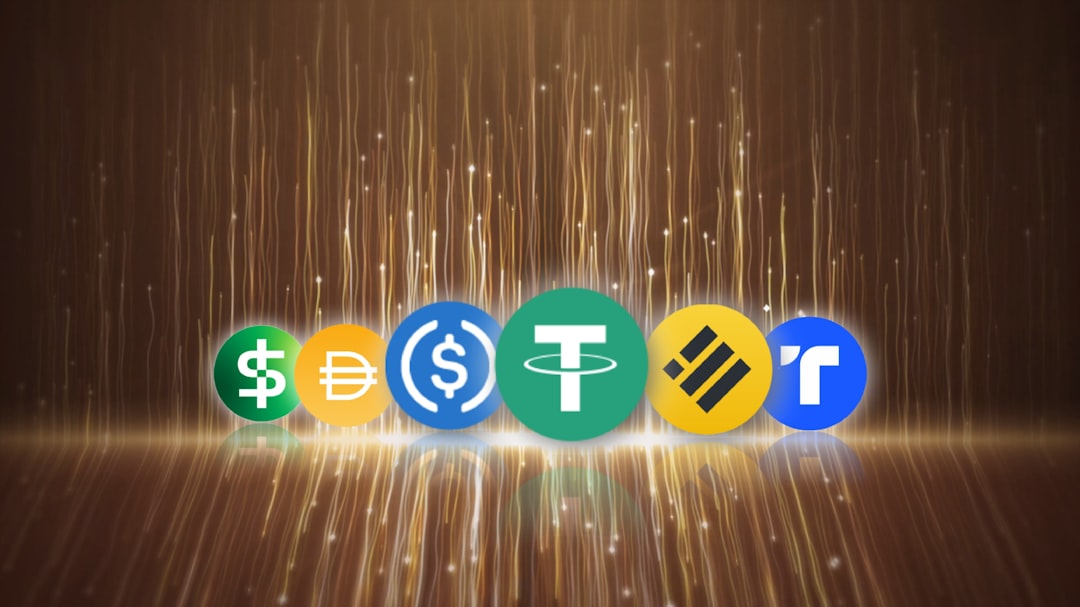
Before we dive into the recent trends, it is essential to understand what stablecoins are and how they work. Stablecoins are a type of cryptocurrency that is designed to maintain a stable value, typically pegged to a fiat currency such as the US dollar. They achieve this stability through various mechanisms, such as collateralization or algorithmic adjustments. The most popular stablecoins include Tether, USD Coin, and Paxos Standard.
Market Context and Background
Stablecoin Supply and Demand
The supply of stablecoins has been increasing steadily over the past year, with many new stablecoins entering the market. This increase in supply has been driven by the growing demand for stablecoins, particularly in the decentralized finance (DeFi) space. However, despite the increasing supply, the transfer volume of stablecoins has been declining. This decline could be attributed to several factors, including decreased demand, increased competition, or changes in market sentiment.
Comparison with Bitcoin and Ethereum
When compared to Bitcoin and Ethereum, stablecoins have been performing relatively well in terms of price stability. While Bitcoin and Ethereum have been experiencing significant price fluctuations, stablecoins have maintained their peg to the US dollar. However, the decline in transfer volume could be a sign of decreased interest in stablecoins, particularly among traders and investors who are looking for more volatile assets to trade.
Altcoin Season Indicators and Dominance Charts
One way to gauge the interest in stablecoins is to look at the altcoin season indicators and dominance charts. The altcoin season indicator is a metric that measures the performance of altcoins relative to Bitcoin. When the indicator is high, it suggests that altcoins are outperforming Bitcoin, and when it is low, it suggests that Bitcoin is outperforming altcoins. Currently, the altcoin season indicator is at a relatively low level, suggesting that Bitcoin is outperforming altcoins, including stablecoins.
The dominance chart, on the other hand, shows the market capitalization of a particular cryptocurrency as a percentage of the total market capitalization. The dominance chart for stablecoins shows that their market capitalization has been increasing, but their dominance in the market has been declining. This decline in dominance could be a sign that investors are losing interest in stablecoins and are looking for other investment opportunities.
Specific Altcoin Fundamentals and Risk Assessment
Stablecoin Fundamentals
When it comes to stablecoins, there are several fundamentals that investors should consider. These include the collateralization ratio, the stability mechanism, and the regulatory environment. A stablecoin with a high collateralization ratio and a robust stability mechanism is generally considered to be more stable and less risky than one with a low collateralization ratio and a weak stability mechanism.
Risk Assessment
Investing in stablecoins, like any other investment, carries risks. Some of the risks associated with stablecoins include the risk of depegging, the risk of regulatory changes, and the risk of smart contract vulnerabilities. Depegging occurs when a stablecoin loses its peg to the US dollar, resulting in a significant decline in value. Regulatory changes can also impact the stability and availability of stablecoins, particularly if they are deemed to be securities or are subject to stringent regulations. Smart contract vulnerabilities can also pose a risk to stablecoins, particularly if they are not properly audited and tested.
Some of the key risks associated with stablecoins include:
- Depegging risk: The risk that a stablecoin loses its peg to the US dollar, resulting in a significant decline in value.
- Regulatory risk: The risk that regulatory changes impact the stability and availability of stablecoins.
- Smart contract risk: The risk that smart contract vulnerabilities pose a threat to the stability and security of stablecoins.
Implications for Investors and Traders
The decline in stablecoin transfer volume has significant implications for investors and traders. For investors, it may be a sign that the market is becoming less interested in stablecoins and is looking for other investment opportunities. For traders, it may be a sign that the market is becoming less volatile, and therefore less profitable.
However, it is essential to note that the decline in transfer volume does not necessarily mean that stablecoins are no longer a viable investment opportunity. Stablecoins still offer a safe haven for investors during times of high volatility, and they can still provide a stable source of returns. Investors and traders should carefully consider the fundamentals of stablecoins, including their collateralization ratio, stability mechanism, and regulatory environment, before making any investment decisions.
Forward-Looking Analysis
In conclusion, the decline in stablecoin transfer volume is a significant trend that has implications for investors and traders. While the supply of stablecoins continues to rise, the decline in transfer volume suggests that the market may be becoming less interested in stablecoins. However, stablecoins still offer a safe haven for investors during times of high volatility, and they can still provide a stable source of returns. As the market continues to evolve, it is essential to keep a close eye on the fundamentals of stablecoins and to adjust investment strategies accordingly. The future of stablecoins is uncertain, but one thing is clear: they will continue to play an essential role in the cryptocurrency market for the foreseeable future.