







































Introduction
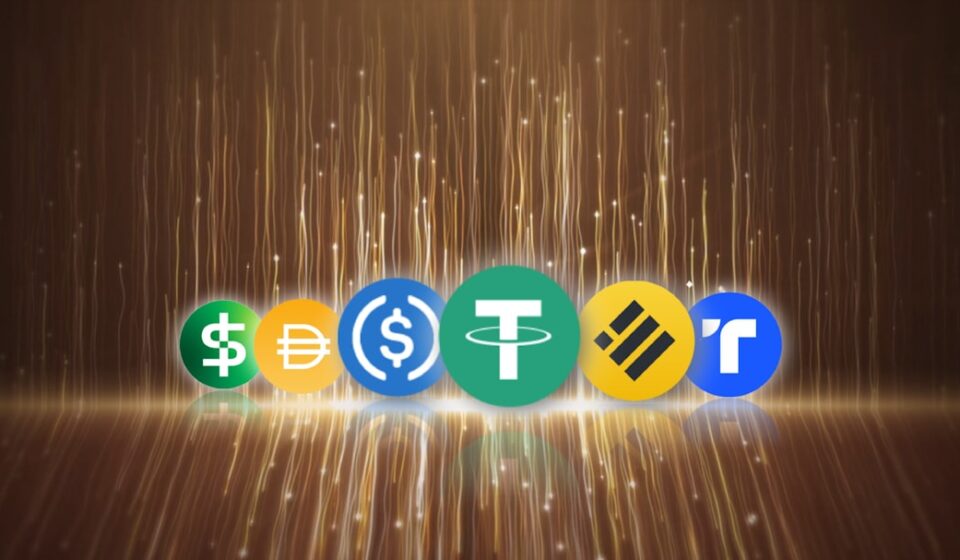
The cryptocurrency market is famous for its extreme volatility. Prices for Bitcoin and Ethereum can swing by double-digit percentages in a matter of hours. While this volatility offers traders the opportunity for high returns, it creates a significant barrier for those seeking a store of value or a medium of exchange. This is where the concept of a stablecoin becomes essential. A stablecoin is a cryptocurrency designed to maintain a stable value, typically pegged to a fiat currency like the United States Dollar. For investors and traders keeping an eye on crypto news, understanding the nuances of USDT, USDC, and emerging players like RLUSD is vital for navigating the digital asset landscape.
The Core Mechanism: How Stablecoins Hold Value
The fundamental promise of a stablecoin is simple: the token should always be worth exactly one dollar. However, maintaining this peg involves complex financial and mechanical engineering. The primary mechanism employed by the largest market players is fiat collateralization.
Fiat-Collateralized Models
Under this model, for every single unit of stablecoin issued, the issuing company holds an equivalent amount of real-world assets in a bank reserve or treasury. These assets typically include cash, government bonds, or other highly liquid debt instruments. If a user holds 1000 tokens, they expect to be able to redeem them for 1000 actual dollars. The trust in the token relies entirely on the solvency and honesty of the issuer.
The Arbitrage Engine
Market forces constantly try to push the price of a token away from its one-dollar target. If demand spikes, the price might rise to $1.01. If panic selling occurs, it might drop to $0.99. To combat this, arbitrage bots and professional traders step in. If the price is above $1.00, traders mint new tokens at the issuer for $1.00 and sell them on the open market for a profit, increasing supply and lowering the price. If the price drops below $1.00, traders buy the cheap tokens from the market and redeem them with the issuer for $1.00, reducing supply and raising the price. This self-correcting mechanism is what maintains the peg in liquid markets.
Market Leaders Analyzed: USDT and USDC
To understand where the market is going with new cryptocurrencies, we must first analyze the incumbents. The stablecoin market is currently a duopoly dominated by Tether and Circle.
USDT: The Giant of Volume
Tether, issuing the USDT token, is the largest stablecoin by market capitalization and trading volume. It serves as the primary lubricant for the global crypto engine. It is used on almost every exchange globally. However, USDT has faced persistent questions regarding the transparency of its reserves. While the company releases attestations, critics have long called for a full-scale audit. Despite these concerns, the network effect of USDT is immense. Traders use it because it is the most liquid asset available, allowing for quick entry and exit positions. For extensive market analysis, USDT trading pairs are often the standard benchmark for price discovery.
USDC: The Champion of Compliance
In contrast to Tether, USD Coin (USDC) prioritizes regulatory compliance and transparency. Issued by a consortium led by Circle and Coinbase, USDC holds its reserves strictly in cash and short-duration US Treasuries. The company undergoes monthly audits by top-tier accounting firms. This focus on safety has made USDC the preferred choice for institutional investors and decentralized finance protocols operating in the United States. The transparency of USDC came into sharp focus during the banking crisis of 2023, when a brief de-pegging event occurred due to exposure to the failed Silicon Valley Bank. Circle resolved the issue, demonstrating the resilience of their reserves.
The Emerging Challenger: RLUSD
While USDT and USDC dominate the headlines, a new player is entering the arena with significant momentum. Ripple, the blockchain technology company behind XRP, has announced its plans to launch a native stablecoin known as RLUSD. This development is particularly interesting for the upcoming projects category because Ripple brings a unique set of advantages and existing infrastructure to the table.
Team Background and Regulatory Strategy
Ripple is not a startup. It is a veteran institution in the crypto space with over a decade of experience. The team is composed of financial experts and technologists who have deep connections with global banks and payment providers. Furthermore, Ripple has recently secured significant legal victories against the Securities and Exchange Commission in the United States. This regulatory clarity gives RLUSD a distinct advantage over other altcoins that might fear future enforcement actions. The Ripple team understands that for a stablecoin to succeed globally, it must operate within the bounds of financial regulations.
Tokenomics and Use Case
The tokenomics of RLUSD are designed to serve the massive demand for cross-border payments. Unlike generic stablecoins used primarily for speculative trading, RLUSD is built to integrate with Ripple’s On-Demand Liquidity (ODL) product. This product allows financial institutions to send money across borders without pre-funding accounts. By utilizing RLUSD, banks can move value instantly using the XRP Ledger or Ethereum blockchain. The token is fully backed by US dollar deposits, government bonds, and reverse repurchase agreements. This ensures that the collateral is high-quality and liquid. The use case extends beyond trading to real-world utility, settling transactions in seconds where traditional SWIFT transfers might take days.
Risk Assessment for New Investors
Investors looking at stablecoins must understand that while they aim to be safe, they are not risk-free instruments. Different types of risks apply to fiat-backed tokens like USDT, USDC, and RLUSD.
Counterparty Risk
This is the risk that the issuer of the token becomes insolvent or acts fraudulently. If the issuer loses the user funds due to mismanagement or a bank failure, the tokens can become permanently de-pegged. This happened with the TerraUSD collapse, although that was an algorithmic stablecoin. For fiat-backed coins, the quality of the custodian matters immensely. Investors should look for tokens managed by reputable fintech companies with audited financials.
Regulatory and Freeze Risk
Because centralized issuers control these tokens, they have the technical ability to blacklist addresses. This power is often exercised at the request of law enforcement agencies. If an investor holds tokens on an address flagged for illicit activity, the issuer can freeze those funds, making them impossible to move. This censorship resistance trade-off is necessary for regulatory compliance but is a point of friction for users who prioritize privacy.
- Transparency: Does the issuer publish regular reserve reports?
- Regulation: Is the issuer registered with financial authorities?
- Utility: Is the token used for actual payments or just trading?
Market Potential and Future Outlook
The entry of RLUSD into the market signals a maturation of the crypto economy. It suggests that major players are ready to compete on the grounds of trust, utility, and regulatory compliance rather than just hype. The stablecoin war is no longer just about liquidity; it is about capturing the flow of global remittances and institutional settlements.
The market potential for a compliant, bank-friendly stablecoin is enormous. Trillions of dollars move across borders daily, and blockchain technology can reduce the friction and cost of these transfers. Ripple already has a massive network of banking partners. By introducing RLUSD, they are providing the missing piece of the puzzle: a stable digital currency that settles alongside XRP.
For investors and traders, this increased competition is bullish. It forces incumbents like Tether and Circle to maintain high standards of transparency and liquidity. It also provides more options for airdrops and rewards within various ecosystems, as new protocols often adopt newer, more flexible stablecoins.
Conclusion
Stablecoins have evolved from a niche experiment into a fundamental pillar of the cryptocurrency market. They provide the much-needed stability that allows the rest of the market to function efficiently. While USDT continues to dominate volume and USDC leads in transparency and trust, the arrival of RLUSD marks a new chapter. One focused on deep integration with existing financial rails and institutional utility. As the sector grows, understanding these differences is crucial. Investors must look beyond the one-dollar price tag and analyze the issuers, the backing, and the regulatory environment. The future of money is digital, and stablecoins are the bridge that will take us there.