








































Trezor Provider ShipMonk Breach Exposes Order Data for Thousands of Hardware Wallet Customers
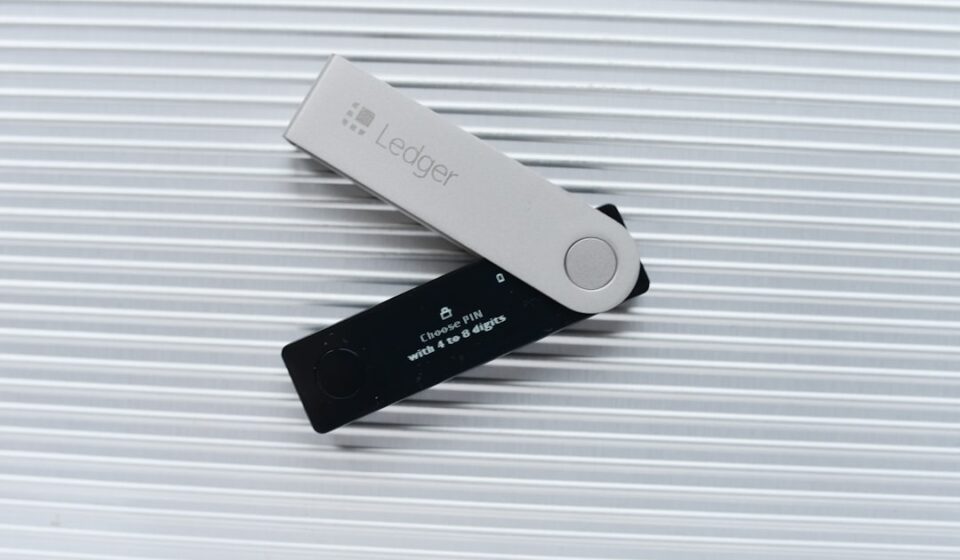
The cryptocurrency hardware wallet market faced a significant security challenge today as Trezor disclosed that its logistics partner ShipMonk suffered a data breach that exposed order information for 13,689 hardware wallet customers across seven countries. This incident represents a concerning development in the hardware wallet security landscape, potentially affecting investor confidence in self-custody solutions at a critical juncture for the broader cryptocurrency market. The breach highlights ongoing vulnerabilities in the supply chain management of crypto products even when the core device security remains intact.
According to Trezor official statements, the unauthorized access to ShipMonk systems exposed customer order details including shipping addresses, email addresses, and potentially phone numbers. While the hardware wallet manufacturer emphasized that no device security was compromised and no private keys were exposed, the breach still raises important questions about the security ecosystem surrounding cryptocurrency self-custody solutions. For investors who have chosen hardware wallets as their preferred storage method for digital assets, this news comes as an unwelcome reminder that security extends beyond the device itself to include the entire distribution network.
Immediate Market Reaction and Security Concerns
The news of this breach arrives at a sensitive time for the cryptocurrency markets, with hardware wallet adoption being increasingly recommended as a best practice for long-term asset holders. Our latest market analysis indicates that self-custody trends have been accelerating following high-profile centralized exchange failures in recent years. This breach could potentially impact sentiment around hardware security providers, especially among new entrants to the cryptocurrency space who may perceive any security incident as undermining the core value proposition of hardware wallets.
Market analysts have noted that while immediate price impacts on major cryptocurrencies appear limited, the incident may affect hardware wallet manufacturers market positioning in the medium term. The breach specifically highlights the importance of vetting not just the device manufacturers but also their entire supply chain partners. For traders and investors focused on security fundamentals, this development underscores the importance of maintaining diversified security approaches rather than relying on a single point of failure, even within the hardware wallet ecosystem.
Hardware Wallet Security Landscape Post-Breach
The hardware wallet market has historically been considered one of the most secure methods for cryptocurrency storage. However, incidents like the ShipMonk breach demonstrate that companies must scrutinize their entire operational security posture. Major players in the hardware wallet space, including Trezor competitors, have been quick to reinforce their own security measures and supply chain oversight in response to this incident. This heightened awareness could lead to industry-wide improvements in logistics security that ultimately benefit consumers.
From a technical analysis perspective, the hardware wallet market penetration has correlated strongly with broader cryptocurrency adoption metrics. Despite this incident, our crypto news team believes the fundamental case for hardware wallets remains strong. The breach affected only order data and not the cryptographic protection of assets, which represents a crucial distinction that informed investors should recognize. Nevertheless, trust is paramount in cryptocurrency security, and any breach—regardless of its direct impact on private keys—deserves careful consideration from the investment community.
Implications for Cryptocurrency Self-Custody Adoption
The self-custody movement in cryptocurrency has gained considerable momentum following notable centralized exchange challenges and regulatory pressures. Hardware wallets represent the gold standard for self-custody solutions, offering disconnected storage of private keys that significantly reduces exposure to online threats. This breach, while concerning, appears limited in scope and does not compromise the essential security model that makes hardware wallets valuable to long-term investors.
- The breach did not expose any private keys or seed phrases
- Only shipping and contact information was compromised
- The core hardware wallet security model remains intact
- Trezor has advised affected customers to remain vigilant against potential phishing attempts
- ShipMonk is implementing enhanced security measures following the incident
Historical Context of Hardware Wallet Security
This incident is not the first challenge to face the hardware wallet industry. Previous security incidents have included:
- The 2020 Ledger data breach which affected customer contact information
- Supply chain attacks targeting hardware wallet shipments
- Physical tampering attempts during shipping processes
- Software vulnerabilities discovered in companion applications
What distinguishes these incidents is that while they create security concerns, the fundamental encryption protecting private keys on the devices themselves has remained robust throughout. This track record suggests that hardware wallets continue to offer strong protection against the most common and dangerous threats facing cryptocurrency holders. For investors conducting thorough due diligence, understanding the distinction between exposed customer data and compromised private key security remains essential.
Expert Perspectives on Hardware Wallet Security
Leading cryptocurrency security experts have emphasized that this breach should not deter investors from using hardware wallets. Rather, it highlights the importance of comprehensive security hygiene that includes awareness of potential phishing attacks leveraging exposed personal information. The most significant risk following this type of breach comes from targeted social engineering attempts where attackers might use the exposed information to impersonate legitimate companies requesting sensitive security information.
Gary Winston, a cryptocurrency security researcher, notes: While any data breach is concerning, this incident reinforces rather than undermines the case for hardware wallets. The devices themselves performed exactly as designed, protecting private keys even when logistical security was compromised. Smart investors will use this as an opportunity to review their overall security posture rather than abandon self-custody.
Our altcoins analysis team suggests that long-term cryptocurrency holders should implement additional security layers such as multi-signature arrangements for substantial holdings. This approach reduces the effectiveness of any single point of failure, whether from device vulnerabilities, supply chain issues, or personal data exposure.
Technical Analysis of Hardware Wallet Security Protocols
Modern hardware wallets implement sophisticated security protocols that protect private keys even against sophisticated attacks. These measures typically include:
- Secure element chips designed to resist physical extraction attempts
- PIN protection with exponential delay mechanisms to prevent brute force attacks
- Dedicated display screens for verification of transaction details
- Open source implementations allowing community security auditing
- Passphrase features enabling plausible deniability
The breach at ShipMonk did not compromise any of these technical security features. This technological resilience demonstrates why hardware wallets remain the preferred storage solution for knowledgeable cryptocurrency investors despite occasional operational security challenges in the supply chain.
Investment Strategies Following Security Incidents
For cryptocurrency investors concerned about security implications following this breach, several strategies warrant consideration. Those holding substantial assets on hardware wallets should:
- Verify their device authenticity through official manufacturer channels
- Implement passphrase protection for additional security layers
- Consider cold storage solutions for long-term holdings
- Maintain awareness of potential phishing attempts using exposed contact details
- Diversify custodial arrangements across different manufacturers and storage methods
From a market sentiment perspective, short-term impacts on hardware wallet adoption may appear negative, but the long-term fundamentals of self-custody remain strong. Informed investors recognize that operational security challenges represent an opportunity for industry improvement rather than a fundamental flaw in the hardware wallet model.
Broader Market Implications and Price Considerations
While this breach specifically affects hardware wallet customers rather than cryptocurrency markets directly, security incidents often influence broader market sentiment. Historical analysis shows that major security events typically lead to temporary decreases in retail participation followed by increased long-term engagement as investors implement improved security practices. The current technical landscape suggests that major cryptocurrencies continue to show resilience against such specialized news, with price action more heavily influenced by macro factors and adoption trends.
Support levels for major cryptocurrencies following this news remain consistent with previous technical analysis, with Bitcoin and Ethereum showing sustained trading volumes indicative of continued market confidence. On-chain metrics continue to demonstrate accumulation patterns among long-term holders, suggesting that knowledgeable market participants are not reducing exposure to digital assets based on supply chain security concerns.
Forward-Looking Analysis for 2023 and Beyond
As the cryptocurrency markets continue maturing, security infrastructure development remains a critical component of widespread adoption. The Trezor-ShipMonk incident will likely accelerate improvements in supply chain security across the hardware wallet industry. Manufacturers are expected to implement more rigorous vetting processes for logistics partners and potentially develop more integrated shipping verification systems to prevent similar incidents.
Looking ahead, hardware wallet technology continues evolving with enhanced features including biometric authentication, wireless connectivity options, and improved user experience interfaces. Our upcoming projects research indicates that next-generation hardware wallets will likely feature even more robust supply chain verification mechanisms and enhanced physical security measures.
For cryptocurrency investors, this situation reinforces the importance of maintaining security awareness while continuing to leverage the superior protection offered by hardware wallets. The fundamental technology remains sound, and the industry response to this incident will likely result in stronger overall security practices. Smart investors will use this as an opportunity to review their personal security procedures while recognizing that hardware wallets continue to represent the gold standard for cryptocurrency self-custody.
Market analysts anticipate that hardware wallet adoption will continue its growth trajectory throughout the remainder of 2023 and beyond, driven by increasing institutional participation in cryptocurrency markets and growing awareness of self-custody best practices. The incident has already prompted enhanced industry cooperation on supply chain security standards, potentially benefiting consumers across all hardware wallet manufacturers.
Strategic Recommendations for Investors
Based on our comprehensive analysis of this breach and its implications, we offer the following strategic recommendations for cryptocurrency investors:
- Maintain hardware wallet usage as the foundation of your security strategy
- Enable all available security features including passphrase protection
- Verify communications through official channels, especially regarding shipping information
- Implement multi-signature solutions for substantial holdings
- Stay informed about security developments across the cryptocurrency industry
The ShipMonk breach represents a challenging moment for the hardware wallet industry but also an opportunity for meaningful security improvements. For long-term cryptocurrency investors, developing robust security practices remains essential regardless of technological solutions. As the industry continues maturing, security infrastructure will undoubtedly evolve to address emerging challenges, ultimately strengthening the ecosystem for all participants.