






































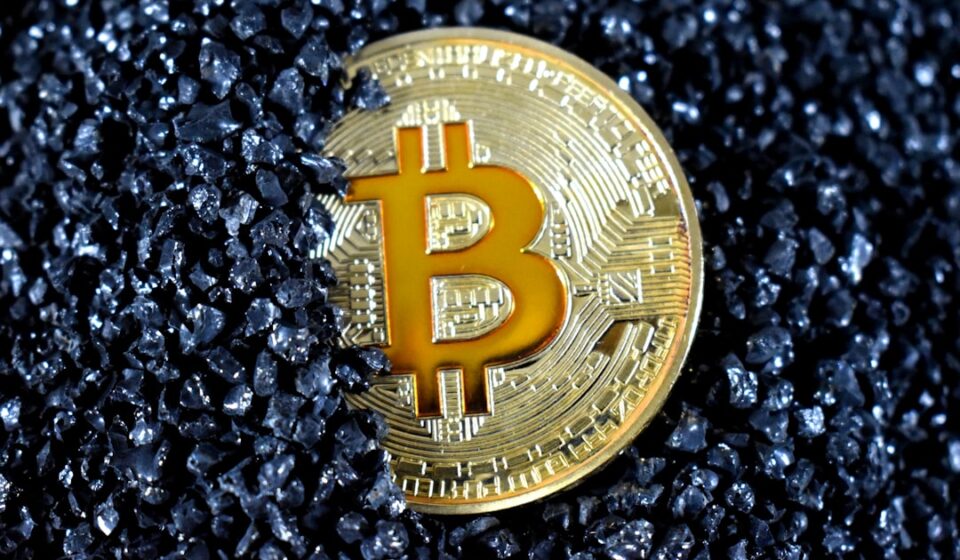

The global digital asset market is experiencing significant volatility as investors analyze macroeconomic signals and regulatory shifts. If you want to know what happened in crypto today, the story centers on the resilience of major tokens and the emergence of fresh decentralized finance platforms. Market participants are closely watching the moves of large institutions as exchange traded funds continue to draw massive volume. This daily round up delivers the essential insights you need to navigate these turbulent financial waters.
Understanding the current momentum requires a deep dive into both on chain metrics and sentiment shifts. In this comprehensive crypto news report, we break down the core events that are driving the charts. From the latest updates on regulatory policies to shifts in capital allocation among decentralized protocols, the digital asset environment remains as dynamic as ever. Traders must stay informed to manage risk effectively in this fast paced environment.
Bitcoin Holds Firm Amid Institutional Buying
Bitcoin has demonstrated remarkable strength over the past twenty four hours, holding key support levels despite macroeconomic uncertainty. Institutional accumulation remains a dominant force in the market. Major capital allocators are utilizing spot Bitcoin exchange traded funds to gain exposure without the custody challenges of holding raw digital assets. This steady stream of demand has created a robust price floor, preventing steep corrections that have historically characterized previous market cycles.
Analysts observe that the block reward halving continues to exert supply side pressure on the asset. With fewer new coins created every day, any increase in buy side pressure translates directly into upward price movement. Financial institutions are increasingly viewing the asset as a hedge against currency debasement and inflation. As central banks worldwide adjust interest rates, the fixed supply of Bitcoin makes it an attractive alternative to traditional sovereign debt instruments.
In addition to institutional exchange traded funds, corporate treasuries are actively expanding their holdings. Companies that previously held only fiat cash reserves are now allocating a percentage of their balance sheets to digital assets. This trend represents a structural shift in corporate finance, indicating that digital assets are becoming a mainstream component of treasury management. The resulting reduction in circulating supply further supports the positive medium to long term outlook for the asset class.
Altcoins Gain Momentum as Capital Rotates
As the market leader stabilizes, many investors are turning their attention to alternative digital assets. The rotation of capital from Bitcoin into major smart contract platforms is a classic signal of market expansion. Investors seeking higher beta returns are actively scanning the landscape for promising layer one and layer two projects that show strong on chain utility and growing developer activity. This trend often fuels a broader rally across the entire ecosystem of digital assets.
Our recent altcoins coverage highlights several tokens that are outperforming the broader market. When Bitcoin consolidates, it provides a window of opportunity for utility tokens to capture market share. Decentralized applications, non fungible tokens, and supply chain protocols are seeing increased transaction counts, which directly translates to higher fees and value accrual for the underlying native networks.
Ethereum Layer Two Solutions Drive Scalability
Ethereum continues to serve as the foundational settlement layer for decentralized applications, but layer two scaling solutions are doing the heavy lifting. Protocols like Arbitrum, Optimism, and Base are processing millions of transactions daily at a fraction of the cost of the main chain. This shift has democratized access to decentralized finance, allowing smaller retail participants to execute trades and interact with smart contracts without paying prohibitive gas fees.
This surge in layer two activity has interesting implications for the supply dynamics of Ethereum. While some transaction fees are burned on the execution layers, the security fees paid to the main Ethereum chain remain substantial. The ongoing development of proto danksharding has further reduced data storage costs for these rollups, making them even more competitive with alternative layer one chains. As a result, the entire Ethereum ecosystem is experiencing a boost in capital efficiency and user adoption.
Solana and Alternative Layer One Protocols Expand Influence
Beyond the Ethereum ecosystem, alternative layer one networks are capturing significant mindshare. Solana has maintained high transaction throughput and low latency, making it the preferred venue for high frequency trading and retail applications. The network has seen a surge in decentralized exchange volume, often rivaling or even exceeding that of Ethereum on specific days. This activity is driven by a vibrant community of developers and users who prioritize speed and low transaction costs.
Other networks are also making strides by introducing unique architectural innovations. Networks focusing on parallel execution and modular data availability are launching new testnets and mainnets. This technological diversity ensures that the sector remains highly competitive, forcing older networks to continually upgrade their infrastructure to avoid losing relevance. Investors who track these technological shifts can identify potential outperformance before the wider market catches on.
Regulatory Scrutiny and Policy Frameworks Evolve
Regulatory developments continue to shape the contours of the digital asset industry. Governments around the globe are moving from a stance of observation to active rule making. In the United States, administrative agencies are pursuing various enforcement actions, creating a complex legal landscape for domestic cryptocurrency firms. Industry participants are advocating for clearer guidelines to foster innovation while protecting consumers from fraudulent schemes.
In Europe, the implementation of the Markets in Crypto Assets regulation has established a harmonized framework across the continent. This comprehensive set of rules provides legal certainty for service providers, stablecoin issuers, and trading venues. Many experts believe that this clear regulatory structure will attract significant institutional capital, as fund managers prefer to operate in jurisdictions with well defined legal boundaries. Other regions, including Asia and the Middle East, are also competing to establish themselves as friendly hubs for digital finance by offering progressive licensing regimes.
The global push for regulatory clarity has also forced decentralized finance protocols to adapt. Some projects are implementing geoblocking or introducing decentralized identity solutions to comply with local laws. While this changes the permissionless nature of these systems, it may be necessary to ensure long term survival and integration into the global financial architecture. The balance between decentralized ideals and regulatory compliance remains one of the most debated topics in the industry.
Stablecoin Regulations and the Global Financial System
Stablecoins have emerged as the crucial bridge between traditional fiat currencies and the decentralized economy. Consequently, they are receiving intense scrutiny from central bankers and financial regulators. Regulators are concerned about the systemic risk that unregulated stablecoins could pose to the broader financial system, particularly if the reserves backing them are not transparent or liquid. In response, issuers are working diligently to obtain banking licenses and publish audited, real time proof of reserves to build trust among both retail and institutional users.
The integration of stablecoins into cross border payments is also accelerating. Major payment processors are beginning to settle transactions using these digital equivalents of sovereign currencies, bypassing traditional correspondent banking networks that are often slow and expensive. This practical utility ensures that stablecoins will remain a focal point of future legislative efforts, as governments seek to balance the benefits of faster payments with the necessity of maintaining control over monetary policy.
Decentralized Finance and Web3 Innovations
The innovation engine of decentralized finance remains highly active despite changing market conditions. Total value locked in liquidity pools and lending protocols has steadily risen, signaling renewed trust in smart contract security. New yield generation strategies and sophisticated derivative platforms are attracting professional traders who require advanced financial instruments to manage their portfolios. This maturity is a positive sign for the entire industry.
Our deep dive into market analysis reveals that decentralized exchanges are capturing a larger share of global trading volume. User self custody and transparent execution are proving to be powerful alternatives to centralized intermediaries. Furthermore, the convergence of artificial intelligence and blockchain technology is opening up new frontiers, with autonomous agents utilizing digital assets for payments and resource allocation.
At the same time, we see the emergence of new cryptocurrencies designed to solve specific bottlenecks in decentralized computing and storage. These tokens power decentralized physical infrastructure networks, incentivizing individuals to share their bandwidth, storage, or compute power. This real world utility demonstrates that blockchain technology is extending far beyond simple speculative assets and into the core of the global technology stack.
Real World Asset Tokenization Accelerates
Another major trend reshaping decentralized finance is the tokenization of real world assets. Financial instruments such as government bonds, real estate, and private credit are being represented as digital tokens on blockchain networks. This process brings unprecedented liquidity and accessibility to historically illiquid markets. Fractional ownership allows smaller investors to participate in high value asset classes, while automated smart contracts streamline distribution and yield payments.
Major investment banks are launching dedicated tokenization platforms, signaling that this trend has institutional backing. By moving traditional financial assets onto public or permissioned ledger systems, institutions can achieve greater transparency, reduce settlement times to near instantaneous levels, and eliminate costly administrative overhead. This intersection of traditional finance and public blockchain infrastructure represents a significant milestone in the maturation of the digital asset economy.
Future Market Outlook and Trader Strategy
As the digital asset market continues to mature, market participants must adopt a sophisticated and multi dimensional approach. Long term investors should focus on networks that demonstrate genuine transaction demand and sustainable fee generation rather than relying purely on speculative momentum. Technical analysis indicates that while short term corrections are inevitable, the macro structure for major assets remains constructively bullish as long as institutional inflows persist.
Traders should watch the following key indicators over the coming weeks:
- Institutional Spot ETF Inflows: Daily tracking of net capital inflows into Bitcoin and Ethereum exchange traded funds will provide early signals of institutional sentiment shifts.
- Macroeconomic Data Releases: Inflation numbers and central bank interest rate decisions will continue to influence general liquidity conditions across all risk assets.
- On Chain Transaction Fees: Rising gas fees on major layer one chains indicate increased on chain activity and healthy utility.
- Stablecoin Supply Expansion: An increase in the minting of major stablecoins represents sidelined capital returning to the market, which historically precedes upward price action.
In conclusion, the events of today underscore that the digital asset revolution is moving forward across multiple fronts. Whether through institutional adoption, technological breakthroughs in scalability, or evolving regulatory frameworks, the ecosystem is building a resilient foundation for the next wave of growth. Investors who remain disciplined, track on chain data, and utilize risk management strategies will be best positioned to capitalize on these unprecedented financial opportunities.